Moroccan culture & history. People, rituals, meanings

To understand Moroccan culture, it helps to look at the stories, traditions, and forms of expression that shape everyday life.

This section of our Morocco Travel Guide provides cultural and historical context — from ancient dynasties and desert-based traditions to everyday rituals like preparing mint tea or the music played during gatherings and celebrations.

Here you’ll find clear, well-researched articles on topics such as the origins of the tajine, the logic behind zellij patterns, and the role of Ramadan, offering insight into how history and tradition continue to shape life in Morocco today.

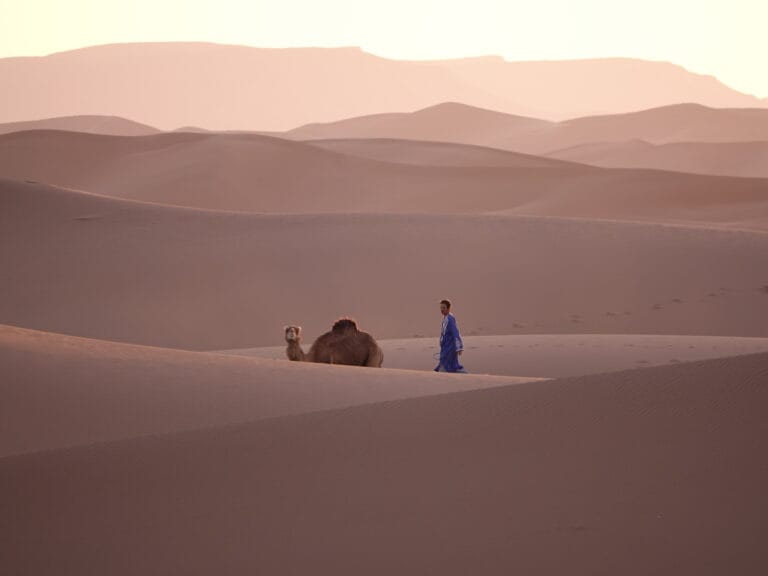
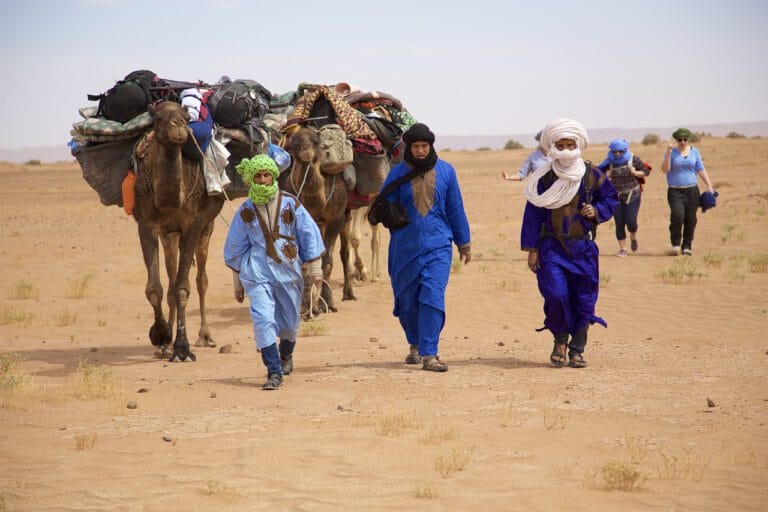
Camel and a nomad in the dunes

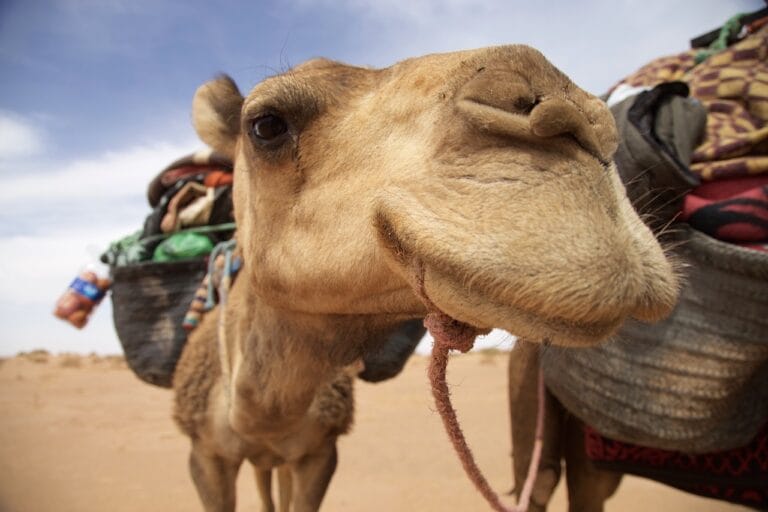
How are camels treated in Morocco? A closer look at desert travel

Camels’ welfare in the desert Camels are part of everyday life in the south...

Ramadan travel in Morocco: what to expect and how to prepare

Exploring Morocco during Ramadan: a journey of culture, cuisine, and spirituality Ramadan in Morocco...

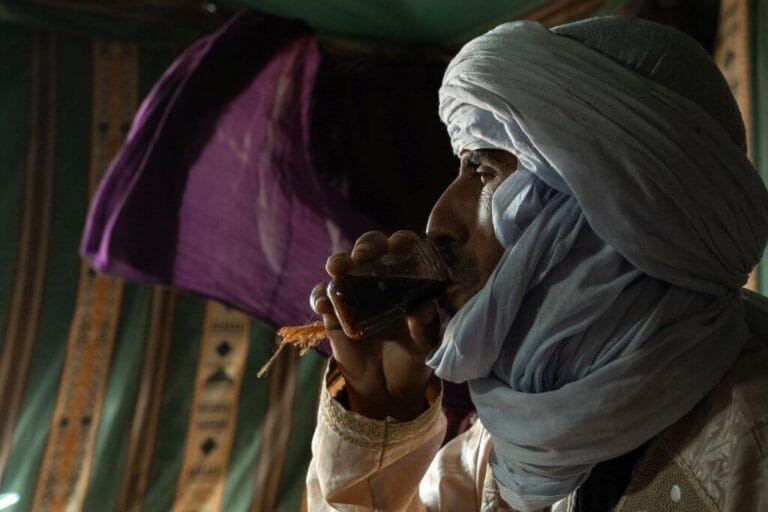
Moroccan tea: tradition, preparation and culture

Moroccan tea: tradition, preparation and culture

The history of Moroccan tea Drinking Moroccan tea is a sensory journey, transforming a...

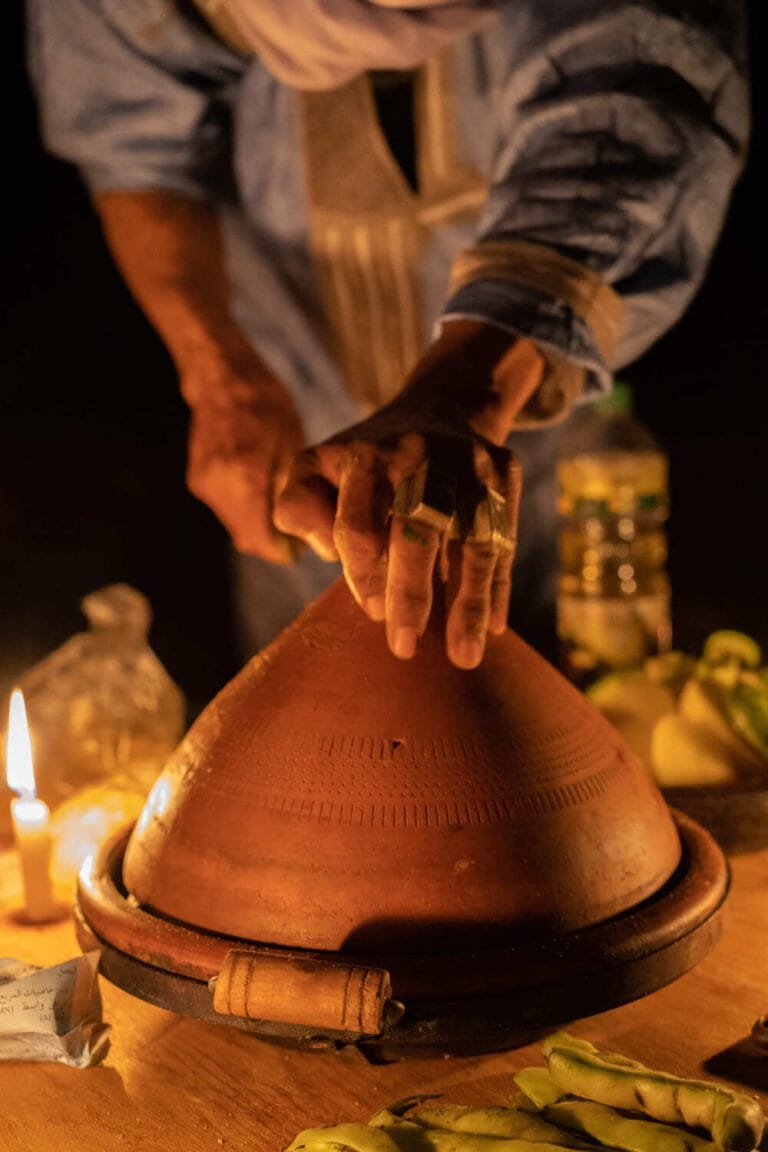
What is tajine and its cultural significance

Glimpse into origins Tajine, named after the distinctive clay pot used for cooking, is...

Explore more about Moroccan culture

Dive deeper into our collection of articles and discover how tradition and modernity coexist in Morocco. 

01

History and heritage of Morocco

Morocco’s history spans Berber roots, Arab expansion, Andalusian influence, and the French protectorate.
These layers shaped city layouts, architecture, and social customs still visible today.
Dynasties such as the Almoravids and Saadians influenced trade routes, religious life, and regional power.

02

Architecture and design

Craft traditions remain part of daily life rather than museum heritage.
Weaving, pottery, metalwork, and wood carving vary by region and available materials.
Music and storytelling play a social role, especially during gatherings and celebrations.

03

Arts, crafts and creative expression

Music, crafts, and storytelling are the heart of Moroccan culture and traditions.
Learn about Amazigh weaving, Andalusian music, traditional jewelry, and the rebirth of contemporary Moroccan art.
Each region — from Marrakech to the Sahara — keeps its own artistic soul alive through color, rhythm, and creativity.

04

Cuisine and culinary heritage

Moroccan cuisine is based on seasonal products, shared meals, and long preparation.
Tagine, couscous, bread, and mint tea structure daily life and social gatherings.
Recipes and techniques are passed down within families and vary by region.

05

Etiquette, hospitality and social customs

Daily interactions are shaped by politeness, respect, and hospitality.
Greetings, dress codes, and table manners differ between cities and rural areas.
Visitors are often invited to share tea or meals as a sign of welcome.

06

Festivals and religious traditions

Religious and seasonal festivals follow both the Islamic calendar and agricultural cycles.
Ramadan, Eid al-Adha, and Eid al-Fitr affect daily rhythms, opening hours, and travel logistics.
Local festivals often combine music, ritual, and community events rather than staged performances.

07

Languages and communication

Morocco is a multilingual country. The main languages are Arabic (Modern Standard Arabic and Moroccan Arabic, called Darija) and Berber languages in many rural and mountain regions. French is widely spoken, especially in cities, business, and tourism, and English is increasingly common in tourist areas, hotels, and guides. While learning a few basic phrases in Arabic or French is helpful and appreciated, communication in most tourist services is easy.

08

Religion and spiritual life

Islam shapes daily routines, public holidays, and social norms.
Prayer times structure the day, especially outside major cities.
Jewish and Christian heritage remains visible in architecture, cemeteries, and historic quarters.

09

People and social structure in Morocco

Moroccan society is shaped by Arab and Amazigh heritage.
Family plays a central role, often extending beyond the household into wider community networks.
Tradition and modern life coexist, influencing social norms, relationships, and everyday routines.

Create a fully tailored experience

Choose from our carefully designed tours, or create a journey shaped around your interests and travel rhythm.
Whether you focus on nature, culture, or time outdoors, the itinerary follows your pace and priorities.