€ 890,00
Atlantic Ocean, Anti-Atlas and Sahara
12–22 March ’27
From the ocean to the Sahara – three worlds, three ecosystems and an extraordinary diversity of birdlife.
We invite you on a unique journey through Morocco, during which we will try to enter the world of birds and, for a moment, see reality through their eyes.
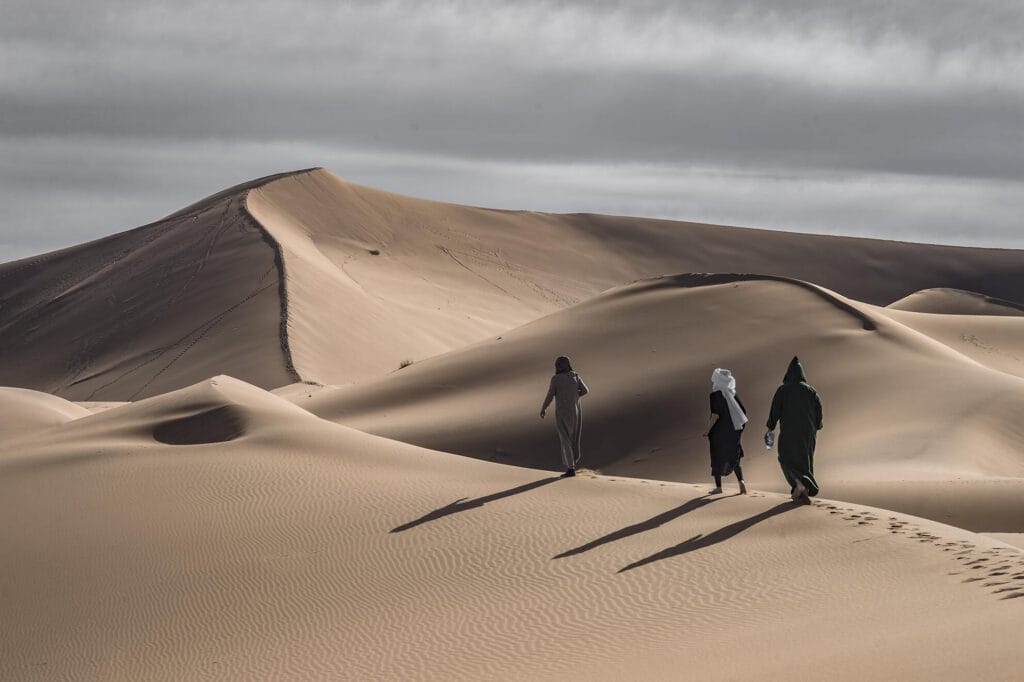
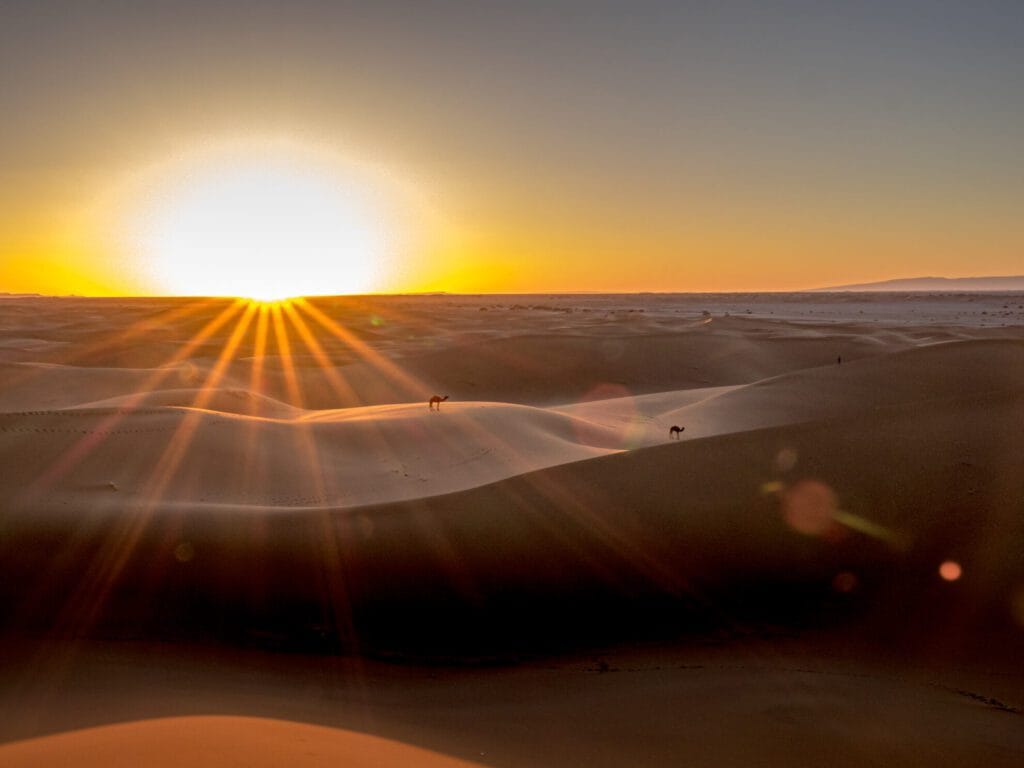
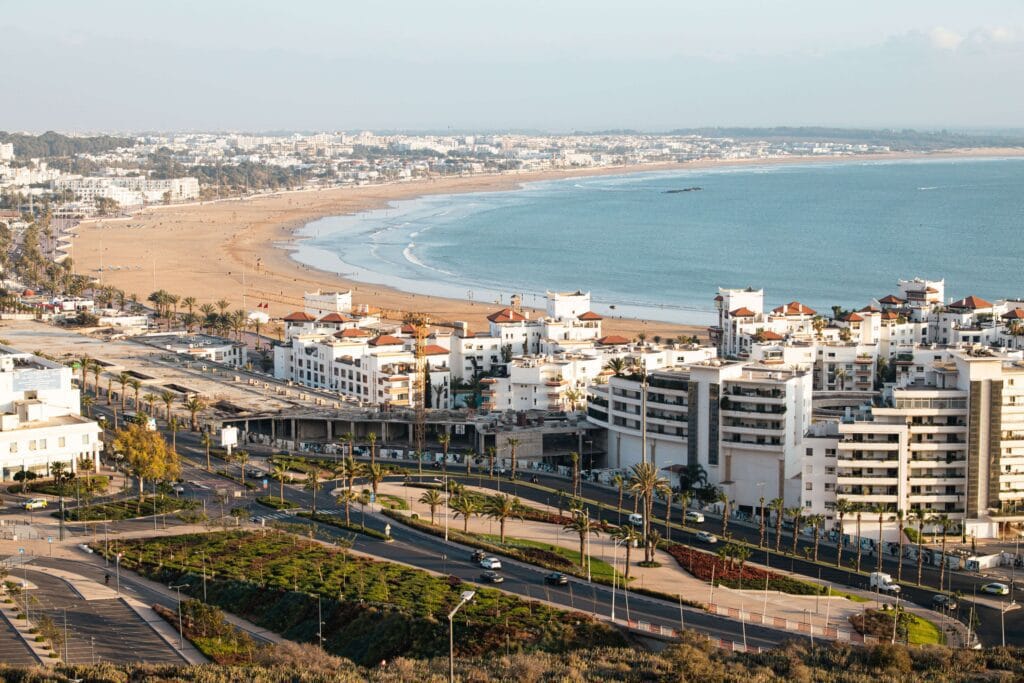
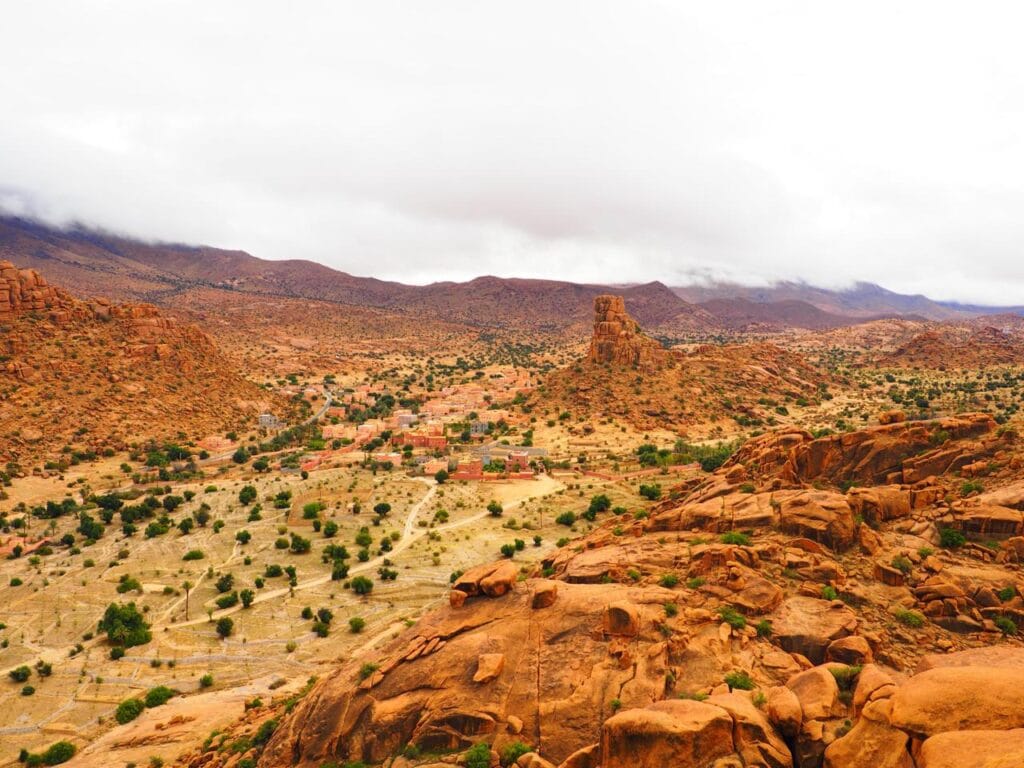
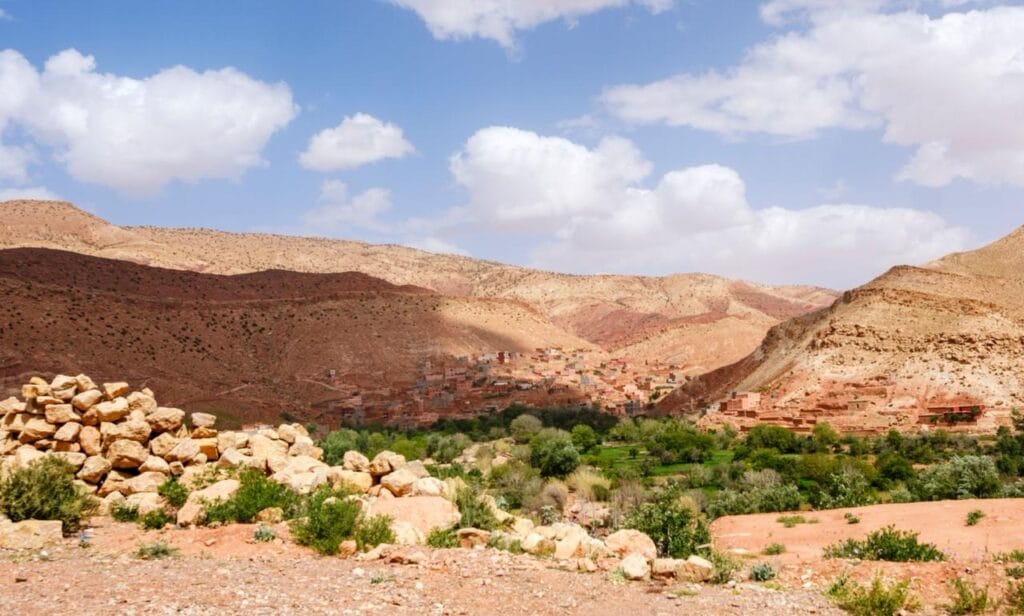
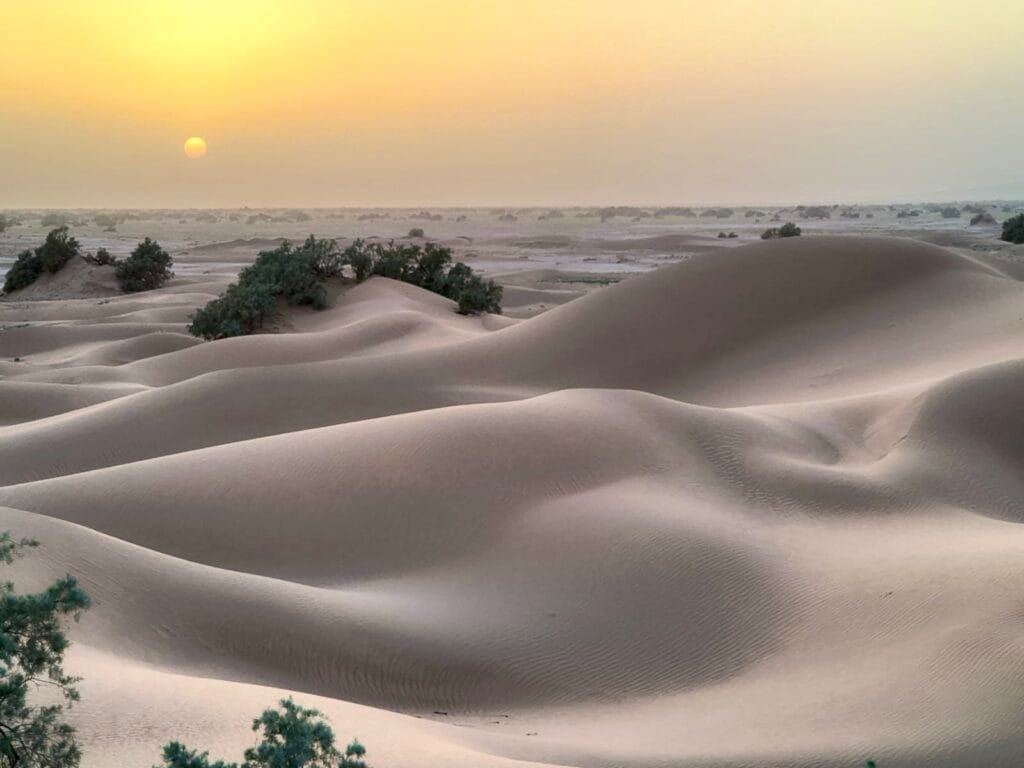
We will visit three completely different ecosystems: the Atlantic coast, the mountains and valleys of the Anti-Atlas, and the desert landscapes of southern Morocco. Each of these places offers a different world of birds – from species associated with the ocean and wetlands, through birds of dry mountains and valleys, to those that have adapted to life in the extreme conditions of the Sahara.
Morocco lies at the crossroads of Europe and Africa, along important migration routes. In March, when many birds are on the move, we will have the chance to observe both resident and migratory species. But this journey will not be only about how many species we manage to see.
A different way of looking at birds
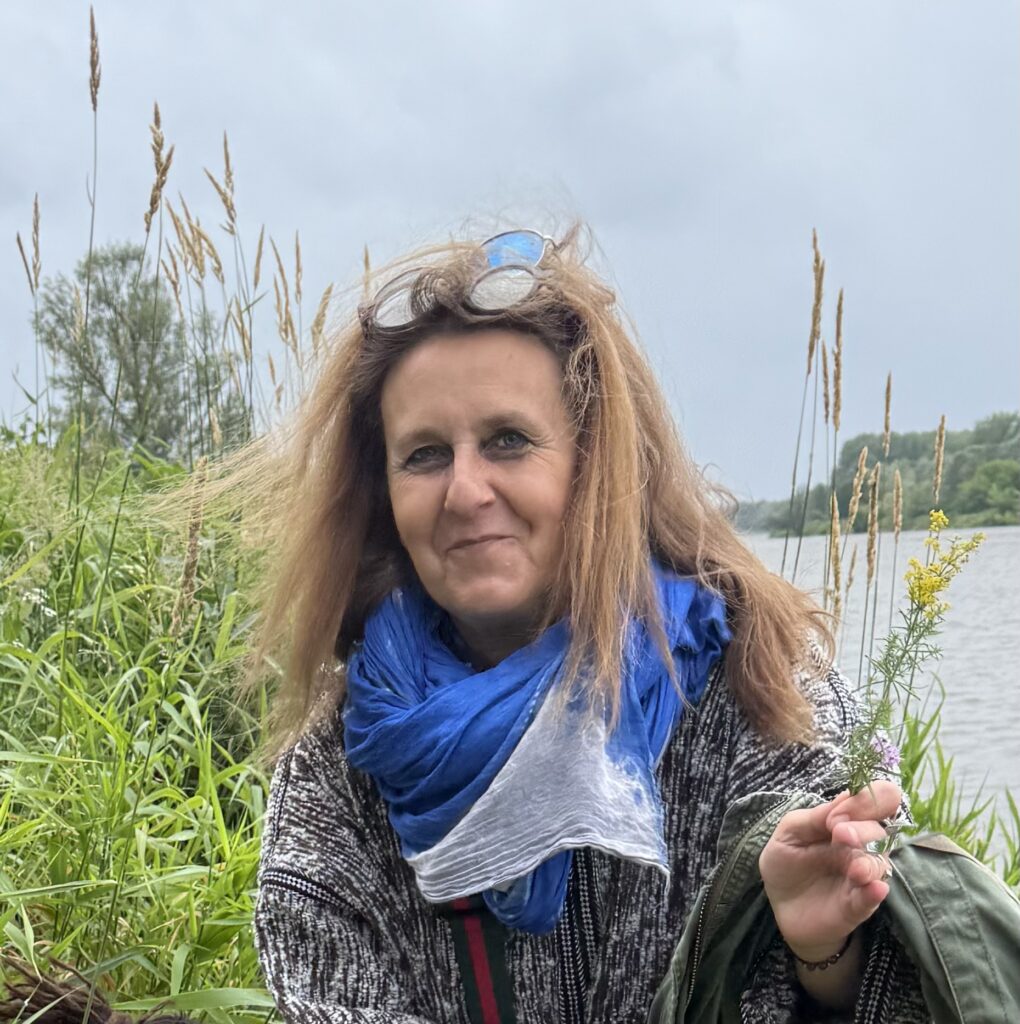
The trip will be led by dr Ewa Rumińska, who runs the Wild Bird Rehabilitation Centre in Bukwałd, in the Warmia region of Poland.
“I have been working with birds as their veterinarian for almost 30 years. I run a rehabilitation centre where we treat and help birds in need. I have always been fascinated by their world: the way they perceive their surroundings, move, communicate and cope with a reality that we humans have changed so profoundly.
During this journey, I want to share with you not only my knowledge, but also my own observations and experience. I would like us not simply to watch birds, but to really begin to notice them.
Because perhaps the most interesting part of this journey begins when we stop looking at a bird as just another species to tick off a list and ask ourselves: what would this world look like if, just for a moment, we could see it through the eyes of a bird?
I invite you into this world. To Morocco. To the birds. To looking closely.”



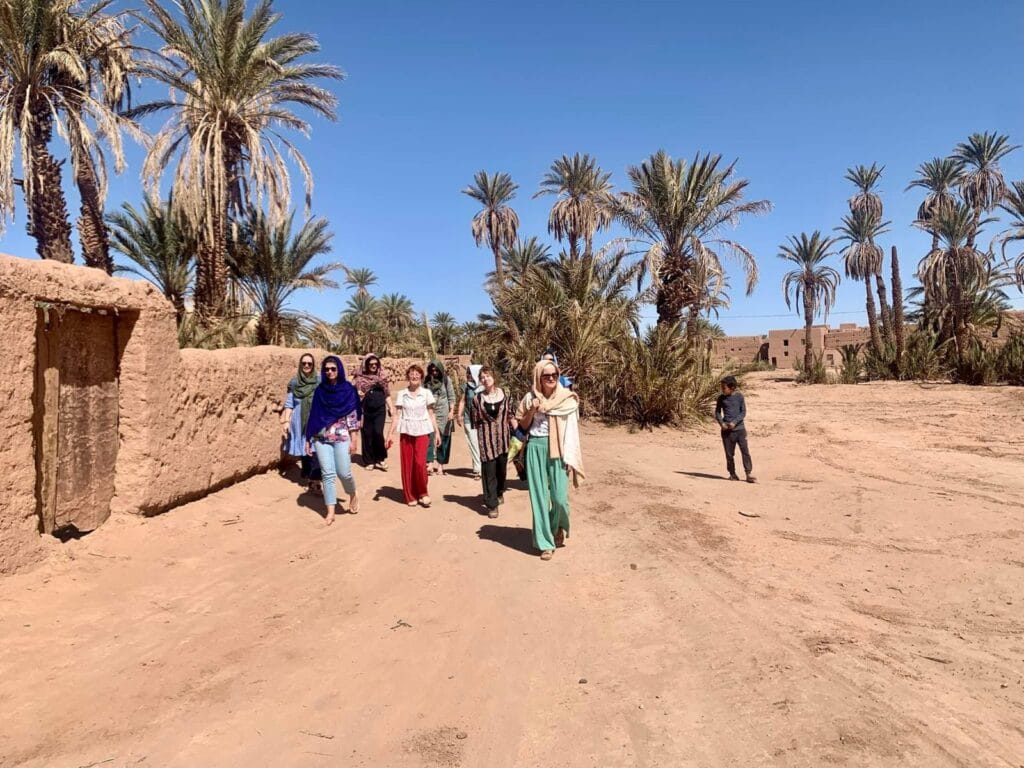
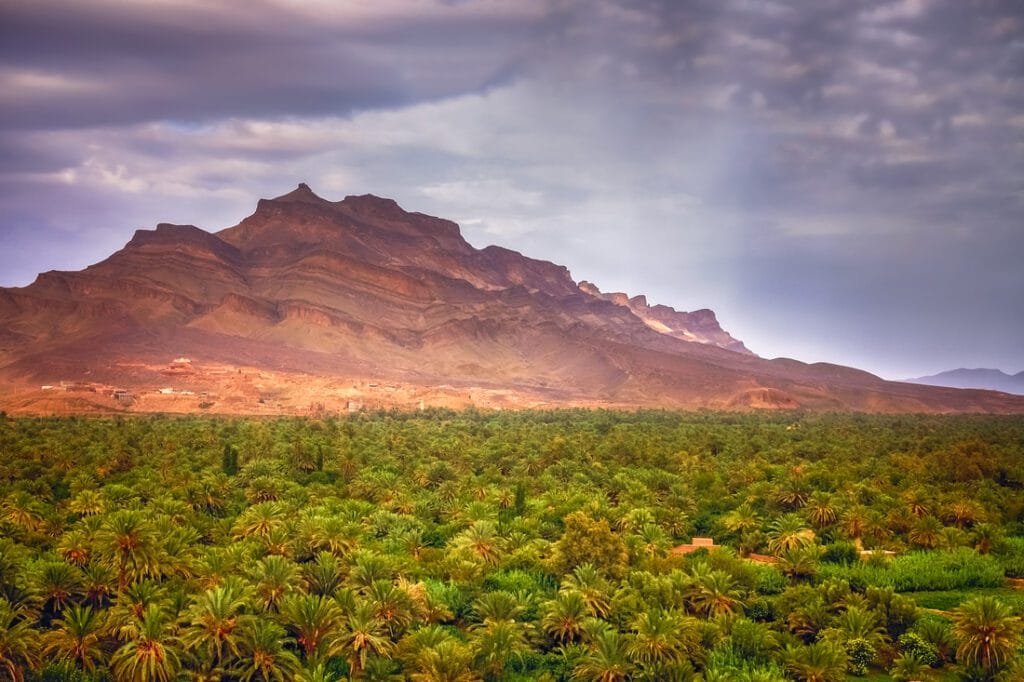
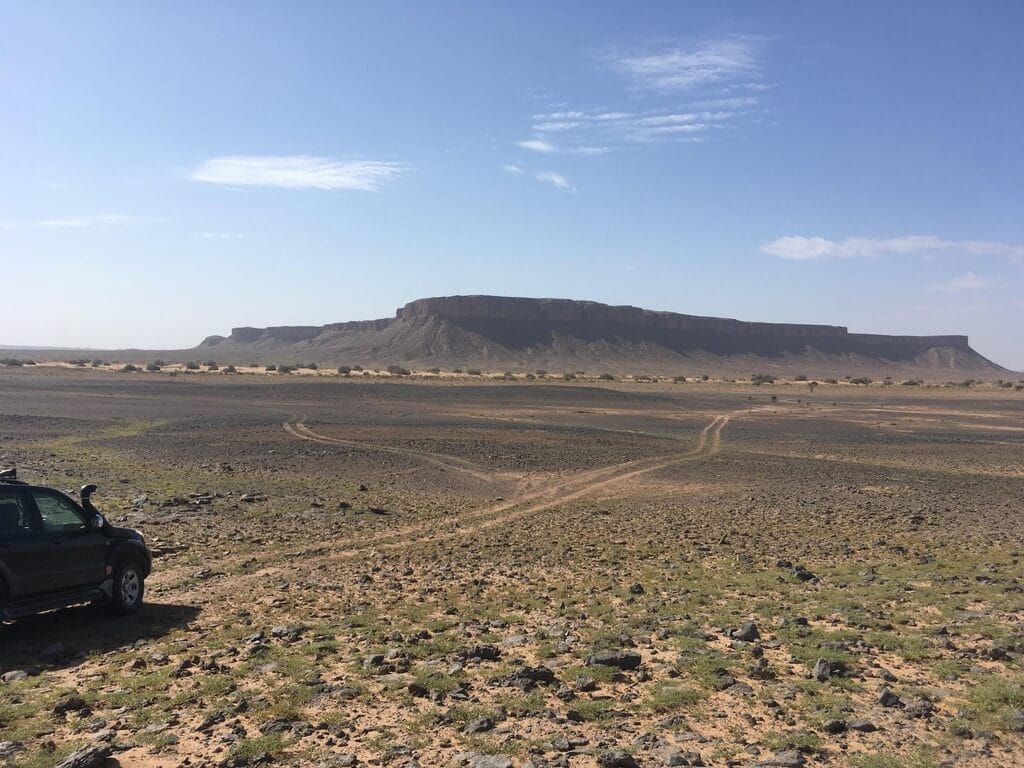
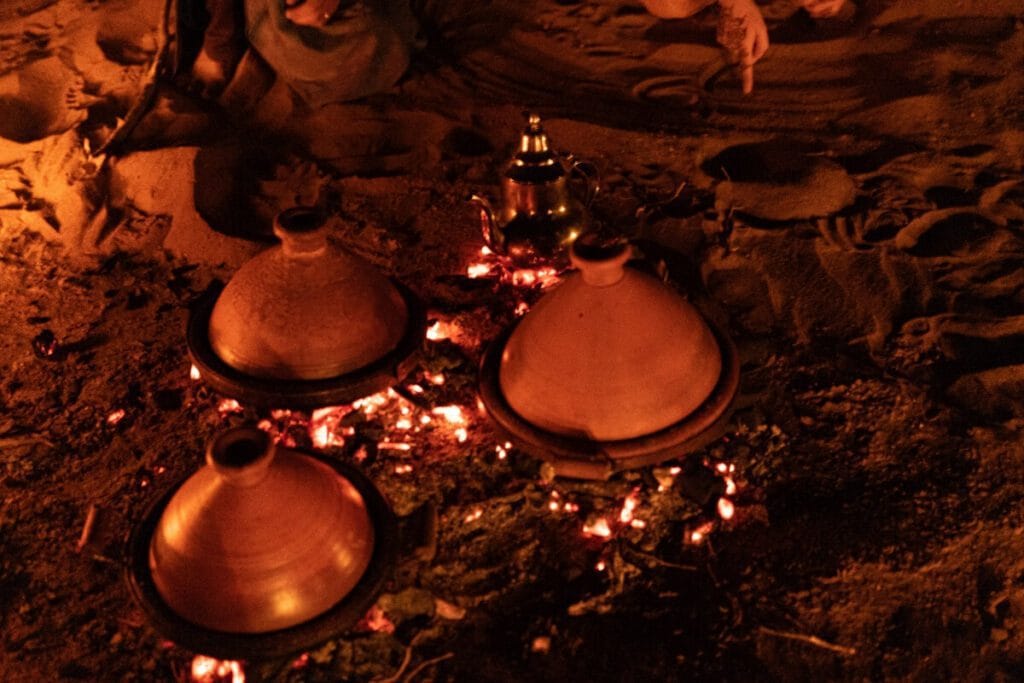
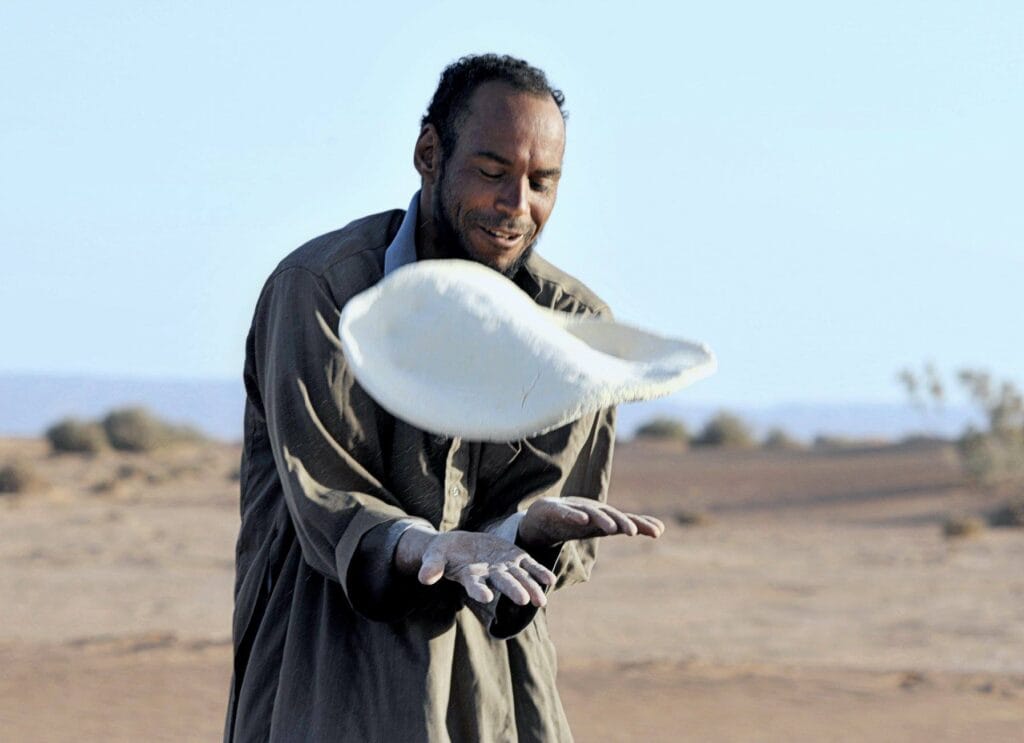
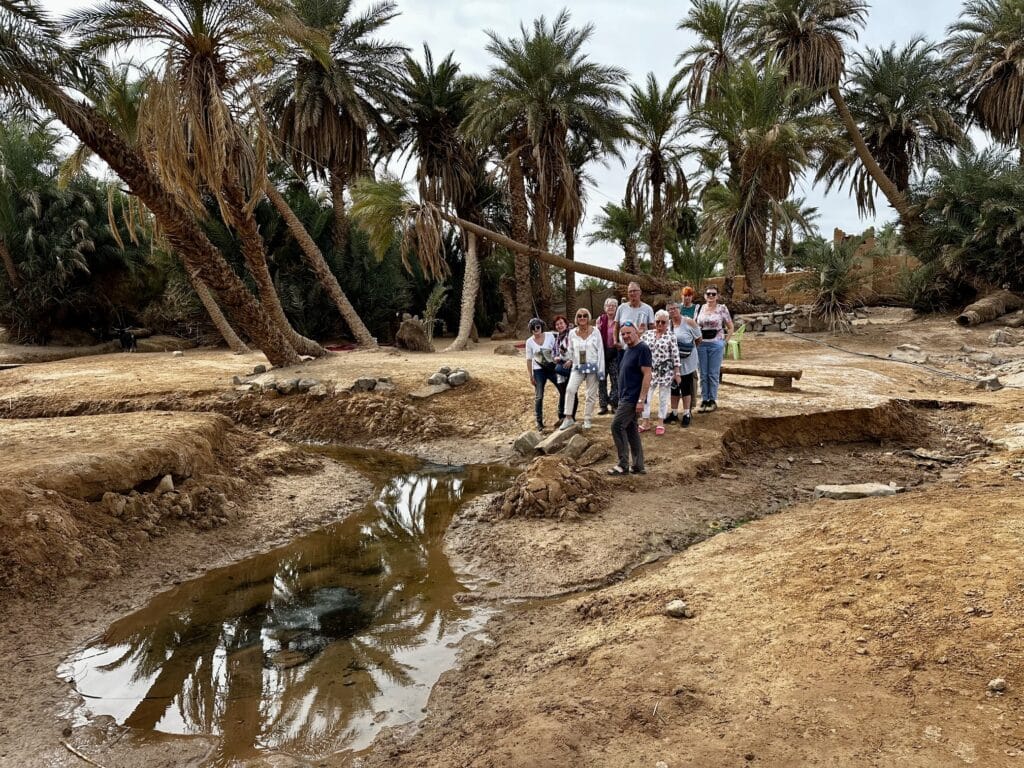

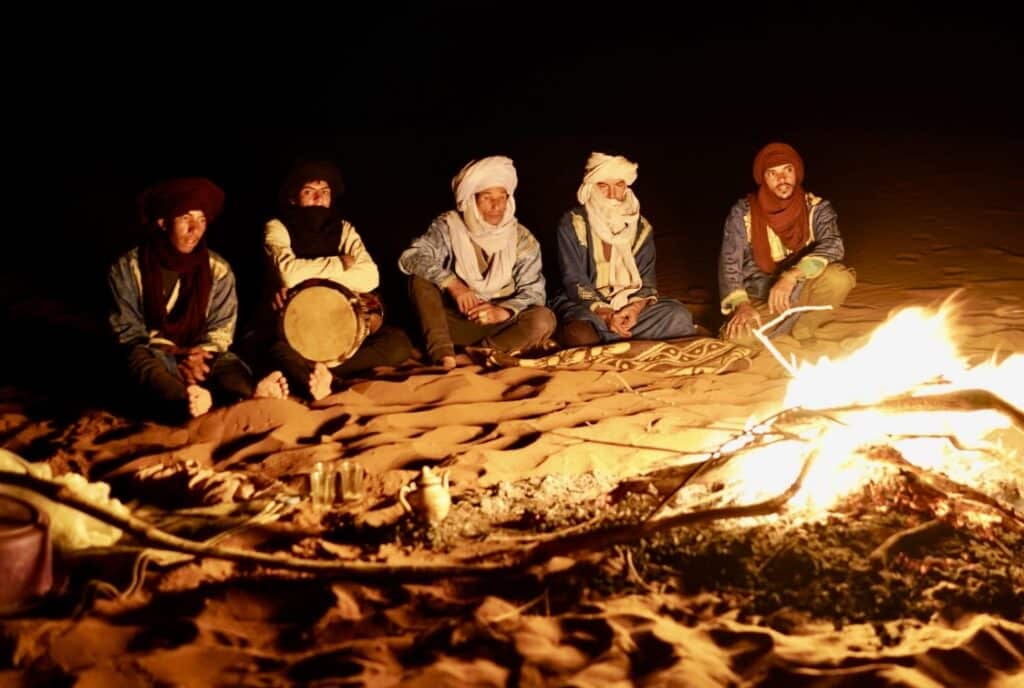
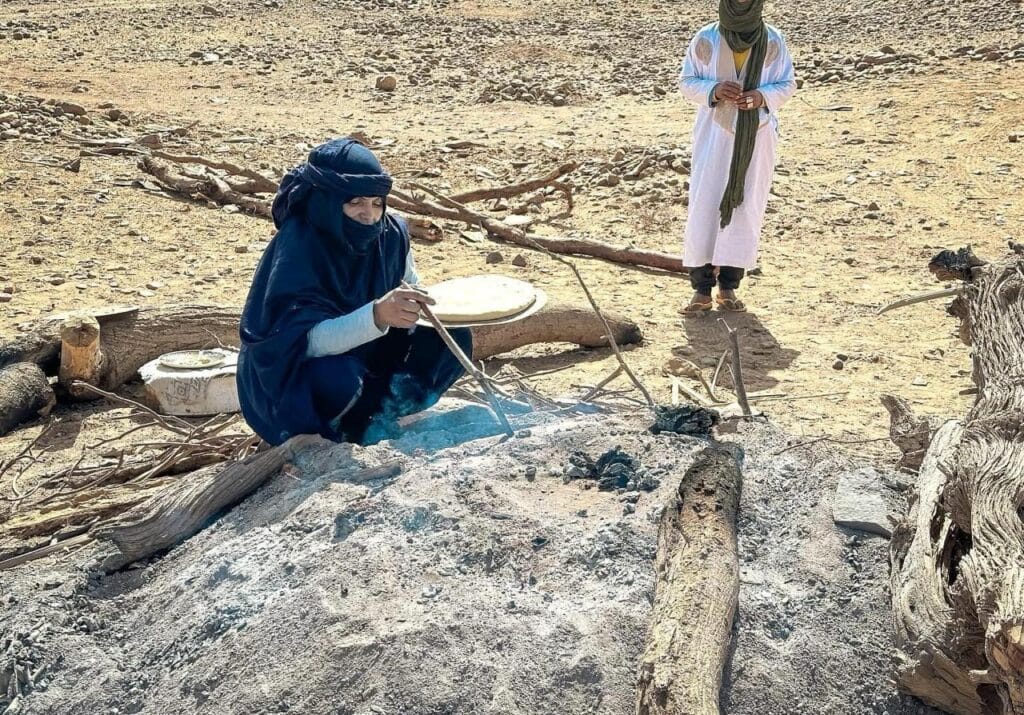
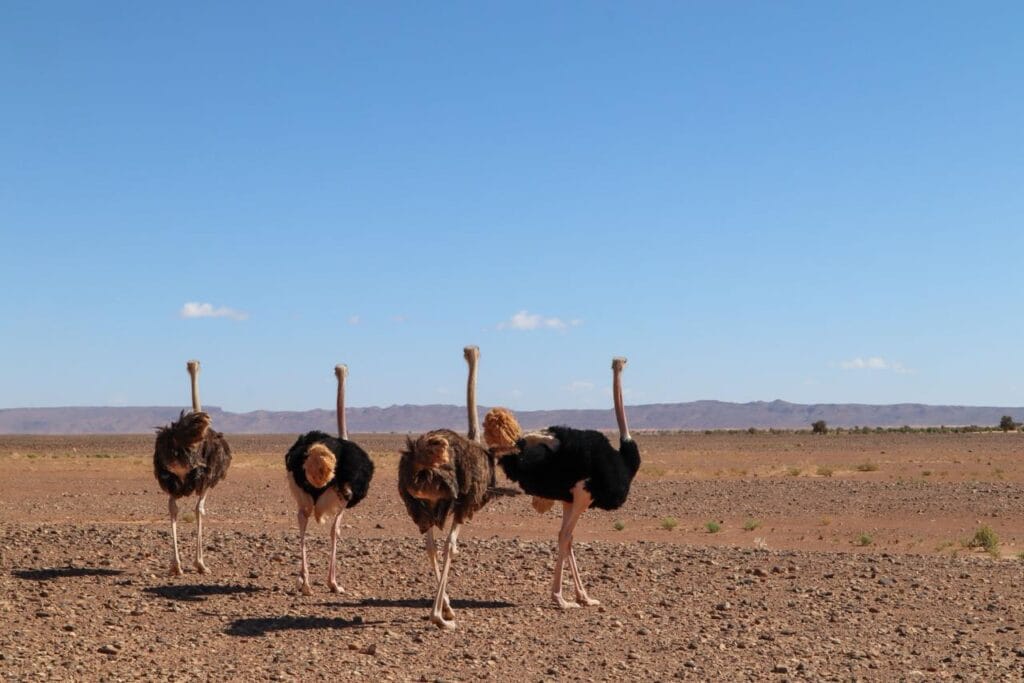
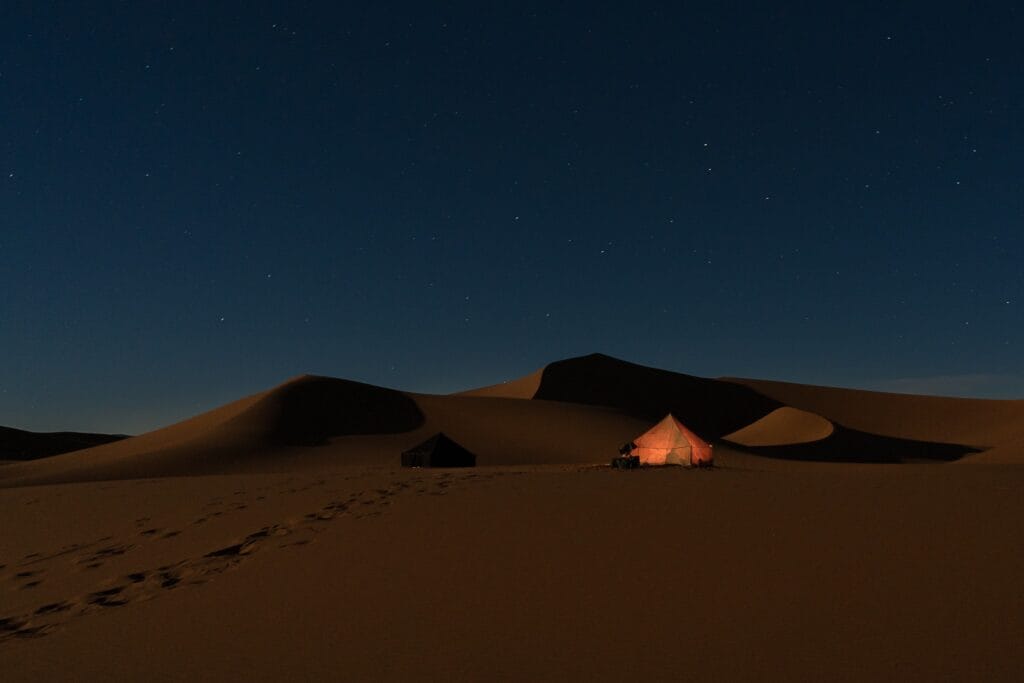
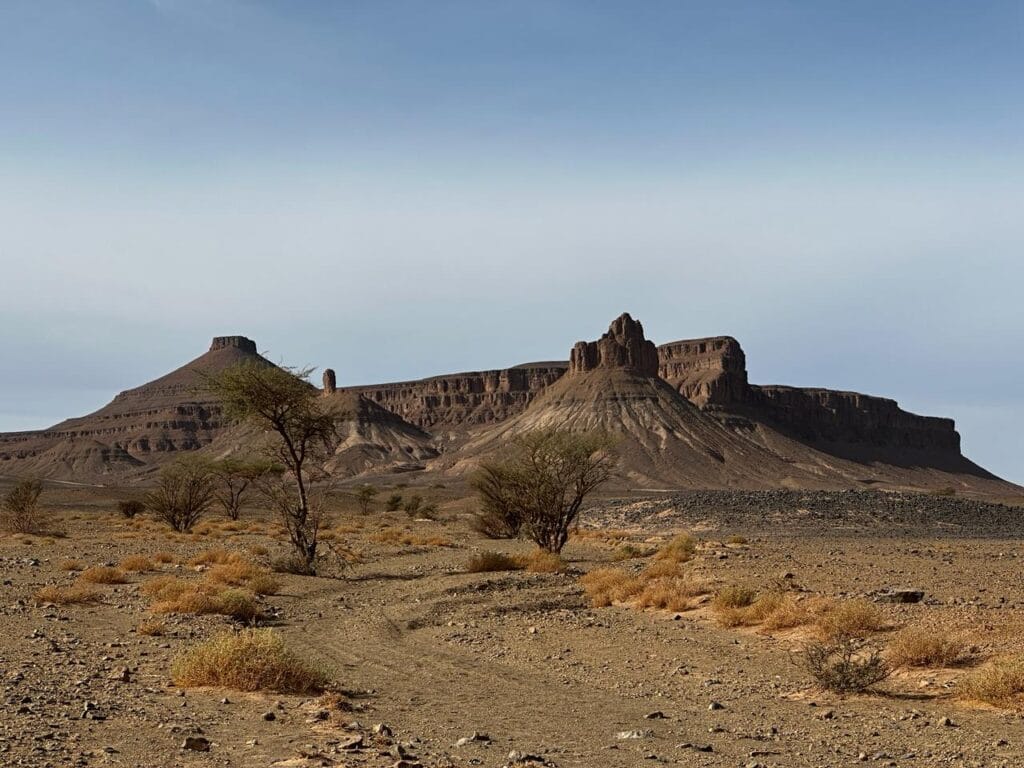
Meals during the tour include carefully selected dishes prepared from fresh, local ingredients. Each day, participants can enjoy breakfast, lunch, and dinner that combine traditional regional flavors with light, balanced cuisine. This way, your journey becomes not only an adventure but also a culinary experience.
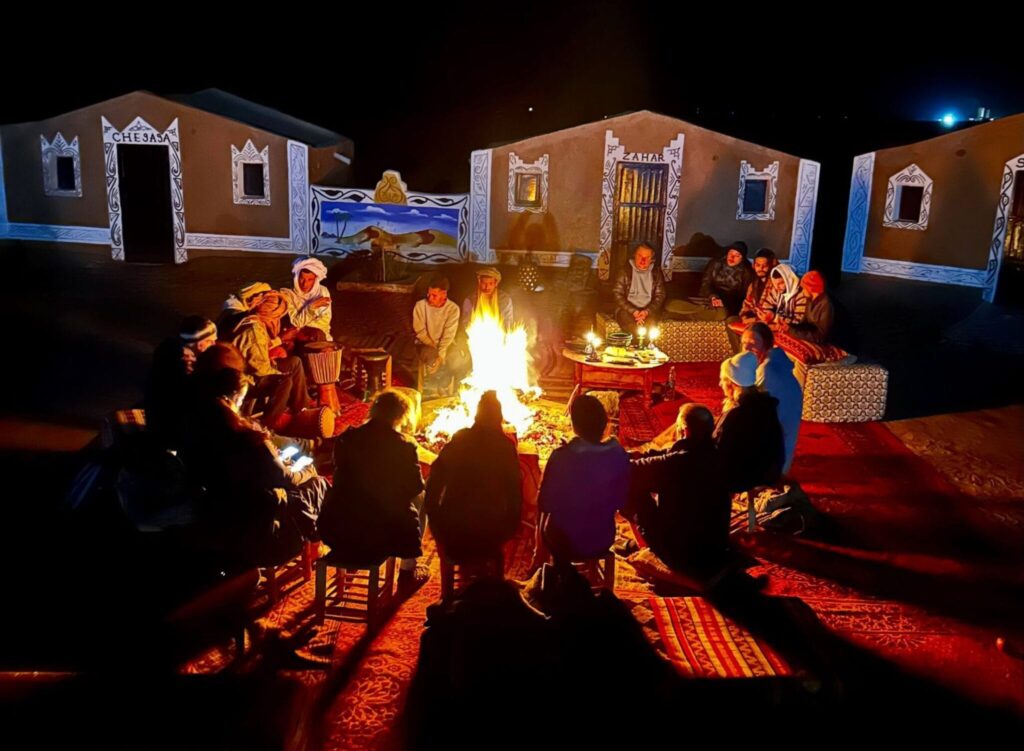
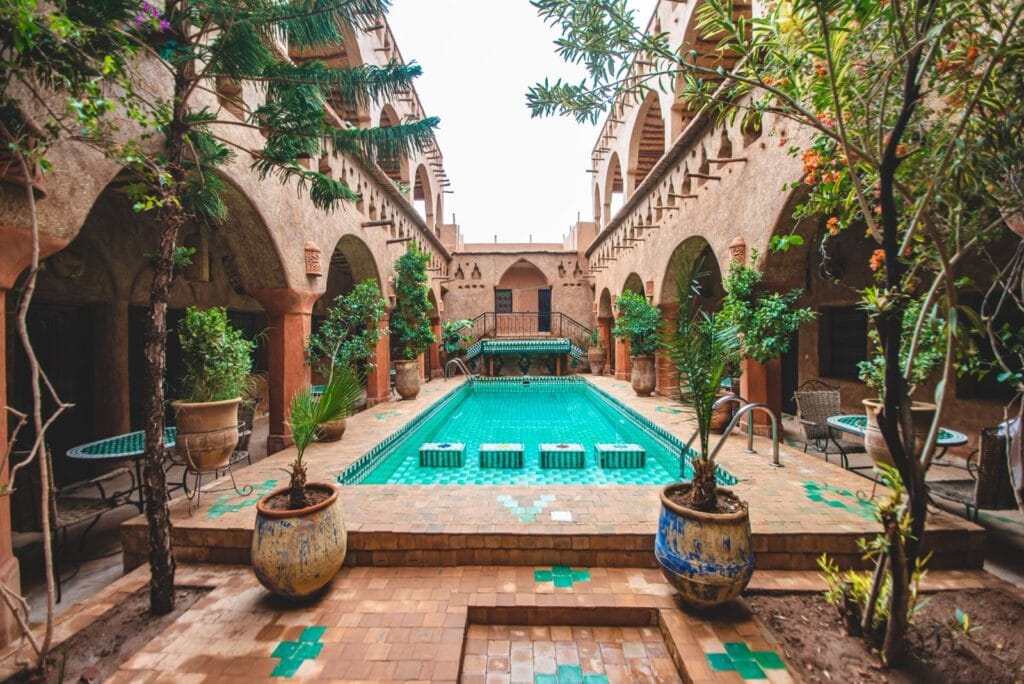
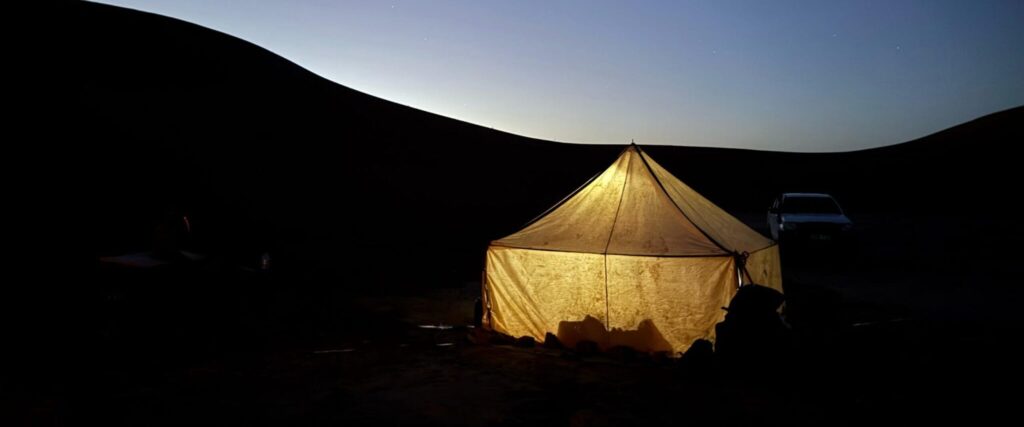
Discover the places where you’ll unwind after a day full of adventure — from wild desert camps to luxurious stays under the stars.


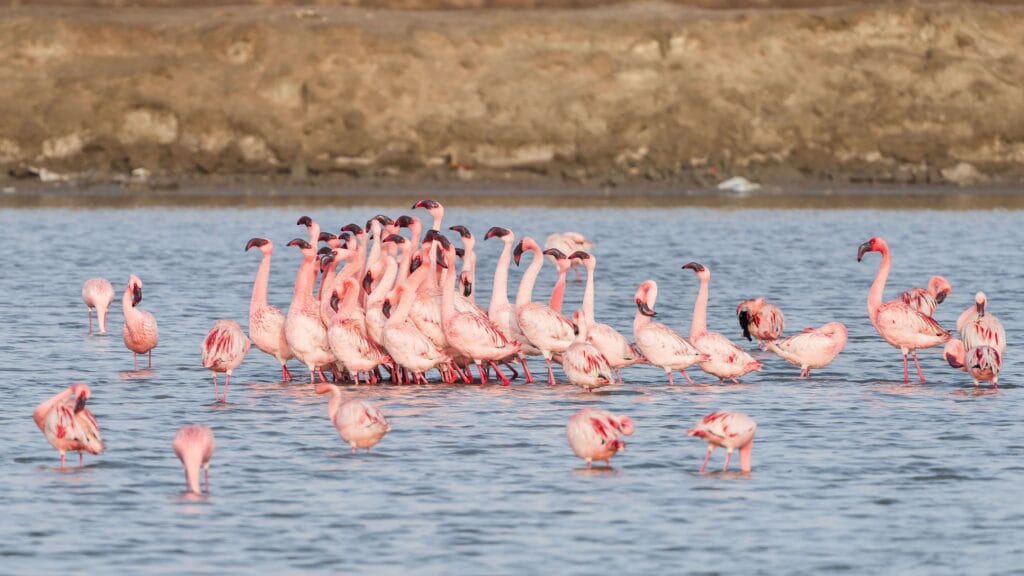
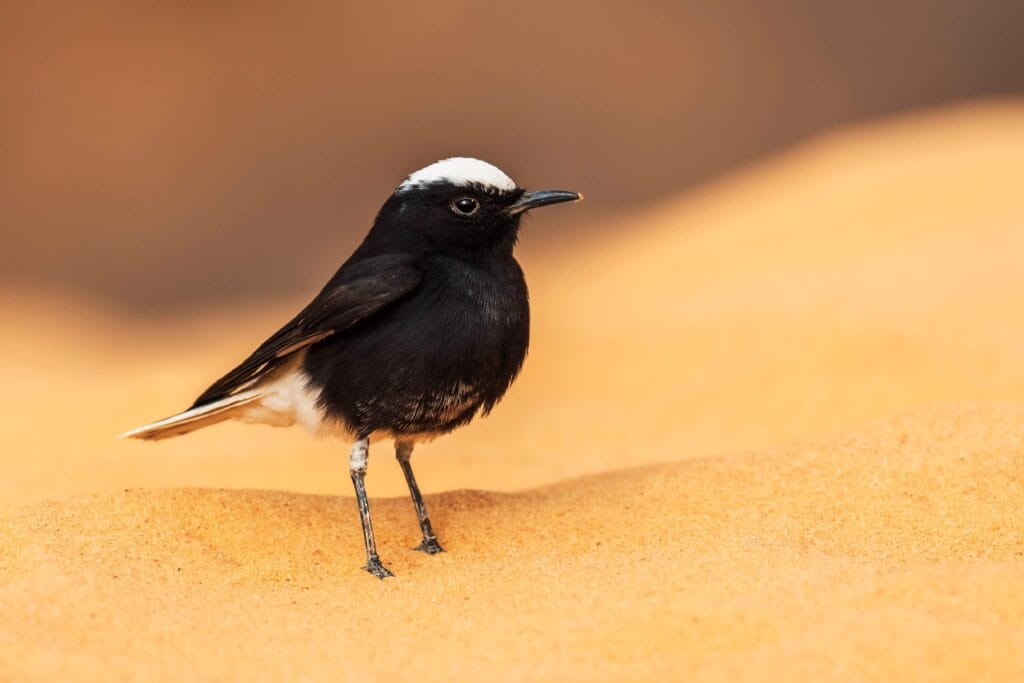
Our route takes us through three very different ecosystems: the Atlantic coast and wetlands, the dry mountains and valleys of the Anti-Atlas, and the Sahara. Along the way, we may encounter species such as Northern Bald Ibis, Greater Flamingo, Barbary Partridge, Blue Rock Thrush, various larks and wheatears, sandgrouse, bee-eaters and desert raptors, as well as migratory birds making their way north in spring. As always with wildlife, sightings can never be guaranteed – and that is part of the experience.
Yes. We strongly recommend bringing your own binoculars, as you will be using them throughout the journey. If you have a spotting scope or photography equipment you enjoy using for birdwatching, you are welcome to bring it too. If you don’t have your own binoculars, just let us know and we’ll help you arrange a pair.
We travel in a small group of 8 participants plus our guides, which gives us more flexibility in the field, makes wildlife observation easier and allows us to experience the places we visit without rushing.
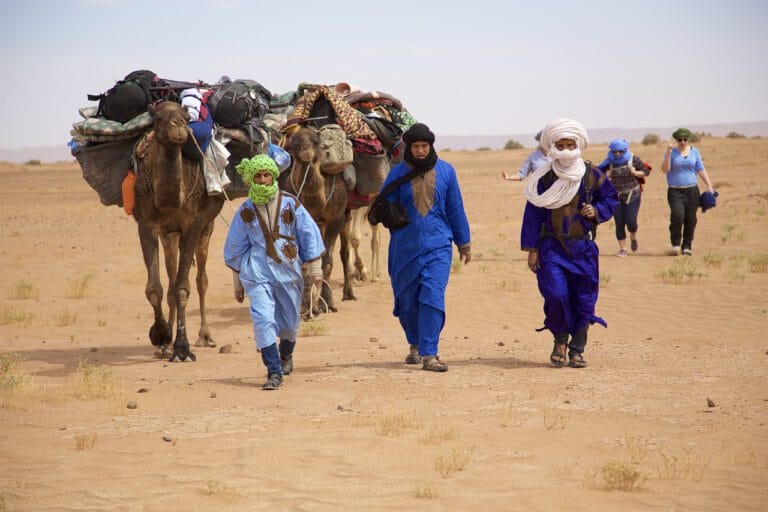
A soft travel bag or backpack is much more practical than a hard suitcase, particularly for the desert section. During the walking part of the journey, your main luggage will be transported by camels, and you will carry only a small daypack with water, binoculars and personal essentials.
The birdwatching part of the journey will be led by dr Ewa Rumińska, a veterinarian who has worked with birds for almost 30 years and founded the Albatros Foundation. The journey itself is organised by Desert Stories together with our local Moroccan team, including guides, drivers, camel handlers and desert crew.
The trip is moderately active, but it is not a demanding trekking expedition. Most birdwatching will involve walks and time spent observing in the field. During the Sahara section, we will walk between desert camps, while camels carry the main luggage, water and camping equipment. You only need to carry a small daypack.
Not quite. Birdwatching is at the heart of the journey, but we also want to experience the landscapes, people and everyday life of southern Morocco. There will be plenty of time for observation, but this is not a race to tick as many species as possible off a list.


Choose from our carefully designed tours, or create a journey shaped around your interests and travel rhythm.
Whether you focus on nature, culture, or time outdoors, the itinerary follows your pace and priorities.